رابطة معونه تقدم مداخلة شفوية أمام مجلس حقوق الإنسان حول الوضع في غزة وتدعو للمساءلة الدولية . – فديو
جنيف – عين اخبار الوطن
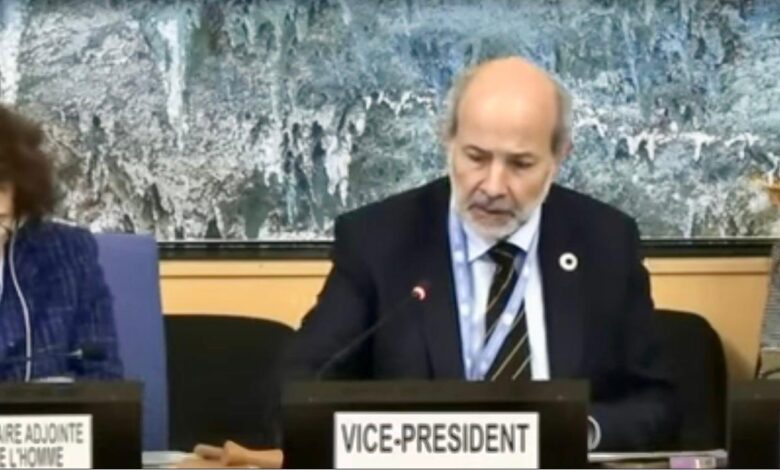
قدّمت رابطة معونه لحقوق الإنسان والهجرة (AMHRI)، بالشراكة مع مركز جنيف الدولي للعدالة وعدد من المنظمات الدولية، إحاطة شفوية أمام مجلس حقوق الإنسان التابع للأمم المتحدة في جنيف، وذلك خلال جلسة النقاش العام ضمن البند السابع المعني بحالة حقوق الإنسان في فلسطين، في إطار أعمال الدورة الحادية والستين للمجلس.
وسلطت الإحاطة الضوء على التدهور الحاد في الأوضاع الإنسانية وحقوق الإنسان في قطاع غزة، مشيرة إلى أن عدد الضحايا الفلسطينيين بلغ نحو 72 ألف قتيل منذ اندلاع التصعيد في أكتوبر 2023، وسط اتهامات بوقوع انتهاكات جسيمة للقانون الدولي الإنساني.
وأكدت السيدة سارة نانيكس ممثلة الرابطة في بيانها أن ما تصفه السلطات الإسرائيلية بـ”الأضرار الجانبية” لا يعكس حقيقة ما يجري على الأرض، مشيرة إلى وجود مؤشرات خطيرة على استهداف منهجي للمدنيين، بما في ذلك الهجمات على المستشفيات والمدارس، وفرض حصار شامل على المساعدات الإنسانية، والتجويع القسري للسكان.
كما تناولت الإحاطة تصريحات منسوبة لمسؤولين إسرائيليين تضمنت خطابًا تحريضيًا ضد الفلسطينيين، معتبرة أن هذه التصريحات تعكس توجهاً نحو سياسات تطهير عرقي، الأمر الذي يثير مخاوف جدية بشأن ارتكاب جرائم دولية جسيمة.
وفي هذا السياق، شددت مداخلة رابطة معونه، إلى جانب شركائها، على أن استهداف مخيمات اللاجئين وقتل الصحفيين والعاملين في المجال الطبي، يمثل انتهاكًا صارخًا للقانون الدولي، ولا يمكن تبريره تحت أي ذريعة أمنية.
كما اعتبرت المداخلة أن استخدام التعذيب بحق الفلسطينيين يأتي ضمن نمط أوسع من الانتهاكات المنظمة، داعية المجتمع الدولي إلى اتخاذ إجراءات عاجلة لضمان المساءلة وعدم الإفلات من العقاب.
واختتمت الرابطة إحاطتها بمطالبة واضحة بضرورة تحرك المجتمع الدولي، بما في ذلك آليات الأمم المتحدة ذات الصلة، لفتح تحقيقات مستقلة ومحاسبة المسؤولين عن الانتهاكات، وضمان حماية المدنيين ووصول المساعدات الإنسانية دون عوائق.
🔘الاحاطة بالفيديو مترجم باللغة العربية على رابط اليوتيوب الاتي :-
⸻
Association Ma’onah Delivers Oral Statement Before the Human Rights Council on the Situation in Gaza, Calls for International Accountability.
Geneva – 24 March 2026
The Association Ma’onah for Human Rights and Immigration (AMHRI), in partnership with the Geneva International Center for Justice and a number of international organizations, delivered an oral statement before the United Nations Human Rights Council in Geneva during the General Debate under Agenda Item 7 on the human rights situation in Palestine, as part of the Council’s sixty-first session.
The statement highlighted the severe deterioration of the humanitarian and human rights situation in the Gaza Strip, noting that the number of Palestinian victims has reached approximately 72,000 since the escalation began in October 2023, amid allegations of serious violations of international humanitarian law.
Ms. Sarah Naneix, representing the Association, emphasized in her statement that what Israeli authorities describe as “collateral damage” does not reflect the reality on the ground, pointing to alarming indications of systematic targeting of civilians, including attacks on hospitals and schools, the imposition of a comprehensive blockade on humanitarian aid, and the forced starvation of the population.
The statement also addressed remarks attributed to Israeli officials containing incitement against Palestinians, considering that such rhetoric reflects a trend toward policies of ethnic cleansing, raising serious concerns about the commission of grave international crimes.
In this context, AMHRI, together with its partners, stressed that the targeting of refugee camps and the killing of journalists and medical personnel constitute blatant violations of international law and cannot be justified under any security pretext.
The statement further considered the use of torture against Palestinians as part of a broader pattern of systematic violations, calling on the international community to take urgent measures to ensure accountability and prevent impunity.
The Association concluded its intervention with a clear call for the international community, including relevant United Nations mechanisms, to initiate independent investigations, hold perpetrators accountable, ensure the protection of civilians, and guarantee unhindered access to humanitarian assistance.
⸻